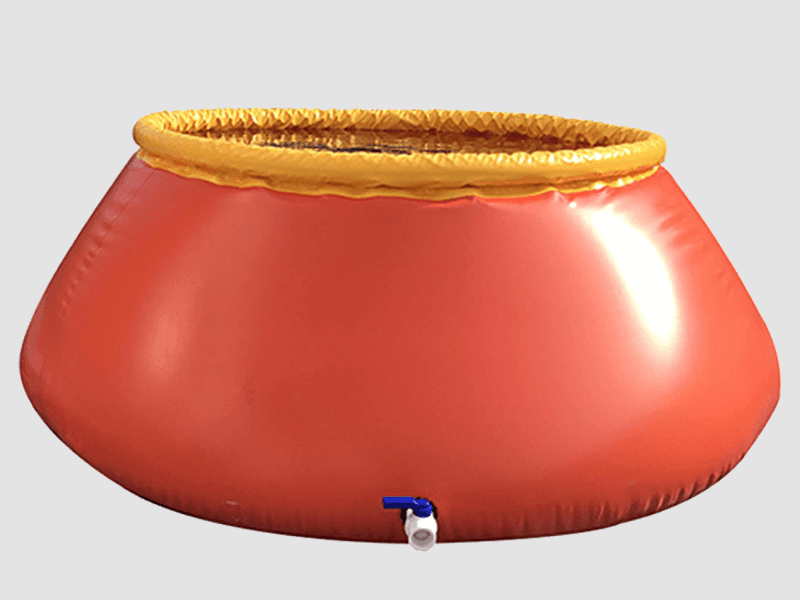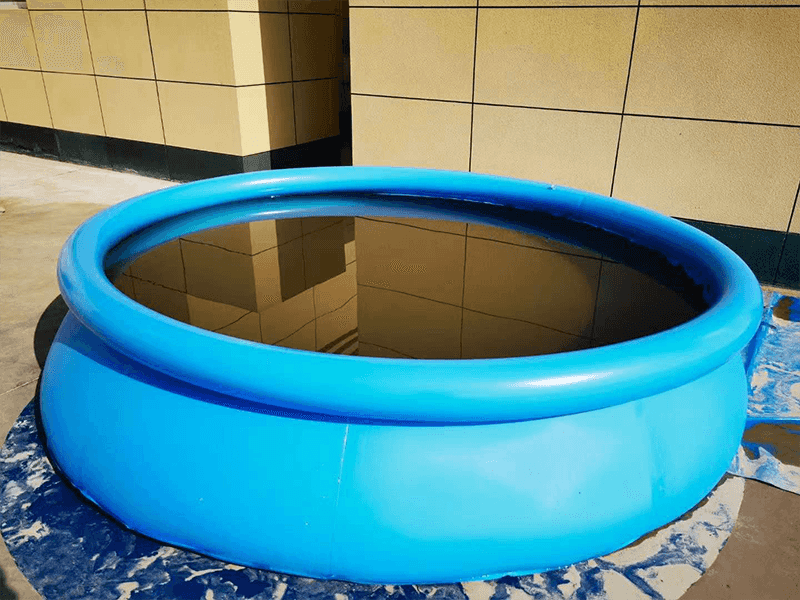


A high-quality PVC backlit banner is the most effective solution for businesses seeking to maximize brand visibility in low-light environments or during nighttime hours. These specialized films are engineered to transmit light evenly while maintaining vibrant color saturation, ensuring that graphics remain legible and impactful from a distance. Unlike standard opaque banners, backlit materials transform ordinary signage into illuminated displays, capturing attention in shopping malls, transit stations, and storefronts where ambient lighting competes for consumer focus.
Material Composition and Light Transmission
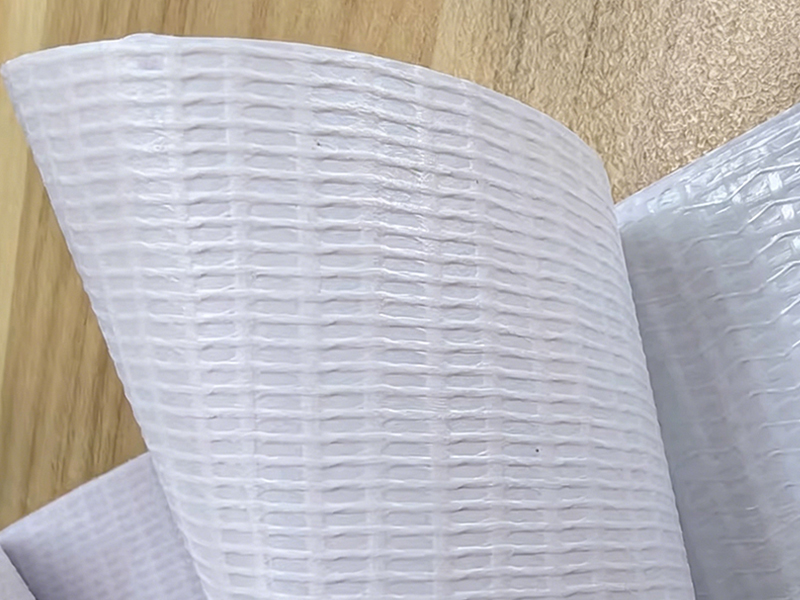
The core functionality of a PVC backlit banner lies in its unique chemical composition and physical structure. It is not merely a thin sheet of plastic but a engineered substrate designed to interact with light sources behind it.
Translucency and Diffusion
Standard vinyl blocks light, but backlit PVC is formulated to be translucent. High-grade backlit films typically offer a light transmission rate of 15% to 30%, which is the sweet spot for visibility. This level of translucency allows the internal LEDs or fluorescent tubes to shine through without creating harsh "hot spots" or making the image appear washed out. The material acts as a diffuser, spreading the light evenly across the surface for a uniform glow.
Durability and Weather Resistance
Despite being thinner than standard blockout banners, PVC backlit material is highly durable. It is resistant to tearing, moisture, and temperature fluctuations. Premium grades include UV inhibitors that prevent the material from yellowing or becoming brittle over time, ensuring a lifespan of 3-5 years even in outdoor lightboxes exposed to the elements.
Printing Technologies for Backlit Media
Printing on translucent media requires specific techniques to ensure the image looks vibrant when lit. Standard printing methods may result in dull or pixelated images when backlit.
Latex and UV Inkjet Printing
Modern wide-format printers using Latex or UV-curable inks are ideal for PVC backlit banners. These inks sit on top of the material rather than soaking in, preserving the translucency of the film. UV inks are particularly advantageous because they cure instantly under UV light, allowing for immediate handling and installation. They also offer superior color gamut and resistance to fading.
The Importance of Double-Hit Printing
To achieve deep, rich colors that do not look washed out when illuminated, printers often use a "double-hit" or "high-density" mode. This involves laying down two layers of ink. The first layer provides the color density, while the second ensures opacity in non-lit areas and vibrancy in lit areas. Without this technique, black areas may appear gray, and bright colors may look pale when the lightbox is turned on.
Design Best Practices for Illuminated Graphics
Designing for a PVC backlit banner differs significantly from designing for standard print. The presence of a light source changes how colors and contrasts are perceived.
| Design Element | Backlit Banner | Standard Banner |
|---|---|---|
| Background Color | Lighter tones glow; dark tones block light | Any color works equally |
| Contrast | High contrast essential for readability | Moderate contrast acceptable |
| Image Resolution | 100-150 DPI at full size | 72-100 DPI at full size |
| Black Levels | Use Rich Black (C40 M40 Y40 K100) | Standard K100 is sufficient |
Avoid using large areas of solid black unless you intend to block the light completely. Instead, use dark blues or purples to create depth while still allowing some illumination. Always view your design proof on a light table or hold it up to a window to simulate the backlit effect before final production.
Installation and Maintenance Tips
Proper installation ensures the longevity of the PVC backlit banner and the safety of the lightbox structure.
- Clean the Lightbox: Before installation, remove any old adhesive residue and clean the interior glass or acrylic. Dust particles can cast shadows when lit, detracting from the image quality.
- Use Tensioning Systems: For frameless lightboxes, use silicone-edged graphics (SEG) that fit into a channel. For framed boxes, ensure the banner is pulled taut to prevent wrinkles. Wrinkles create uneven light distribution and look unprofessional.
- Avoid Direct Heat Contact: Ensure the banner does not touch the light sources directly, especially if using older fluorescent tubes which generate heat. LED panels are cooler and safer for close-proximity installation.
- Regular Cleaning: Clean the exterior surface with a soft cloth and mild soapy water. Avoid abrasive cleaners that can scratch the PVC surface, which would diffuse light irregularly.
Choosing the Right Supplier
Not all backlit films are created equal. When sourcing PVC backlit banners, consider the following factors to ensure value and performance.
Material Weight and Thickness
Backlit films typically range from 18 mil to 24 mil in thickness. Heavier films (20-24 mil) are more durable and easier to install without tearing, but they may require stronger tensioning systems. Lighter films are cost-effective for short-term campaigns but may be prone to wrinkling if not handled carefully.
Warranty and Certification
Look for suppliers who offer warranties against delamination and excessive fading. Certifications such as fire retardancy (e.g., B1 or M1 standards) are crucial for indoor public spaces like airports and malls. Ensuring your PVC backlit banner meets local fire codes is essential for compliance and safety.